
Synthetic Hair Extensions Gallery
$$MultiPurposeText$$
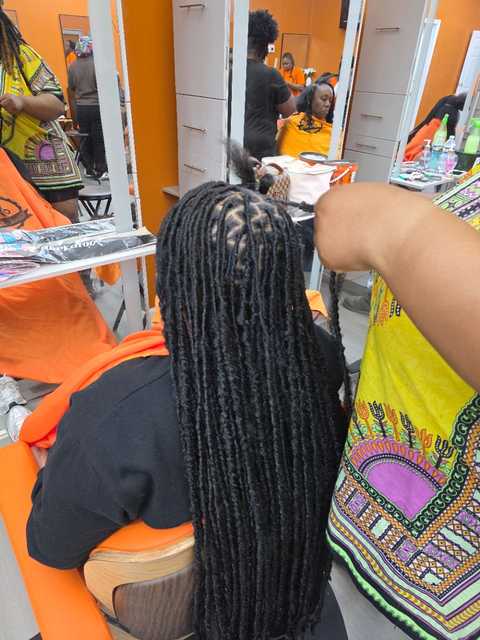
See examples of our Synthetic Hair Extensions work and results.
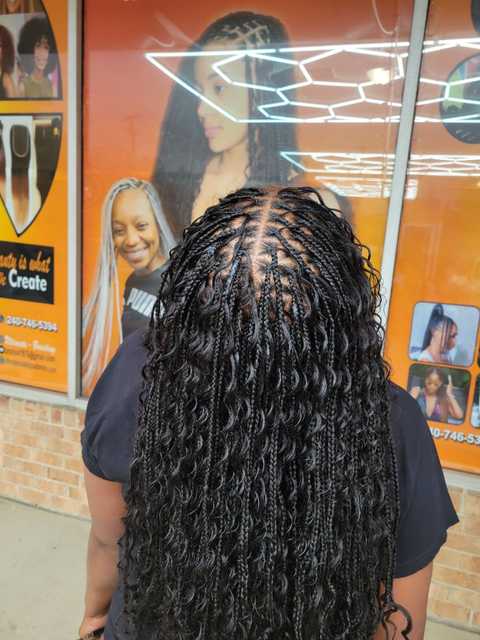
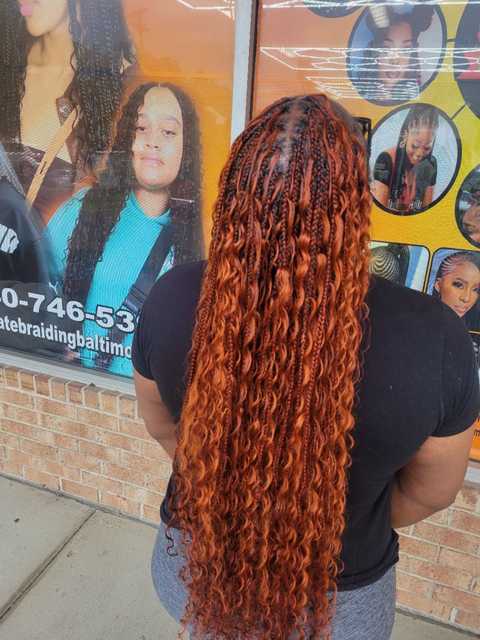
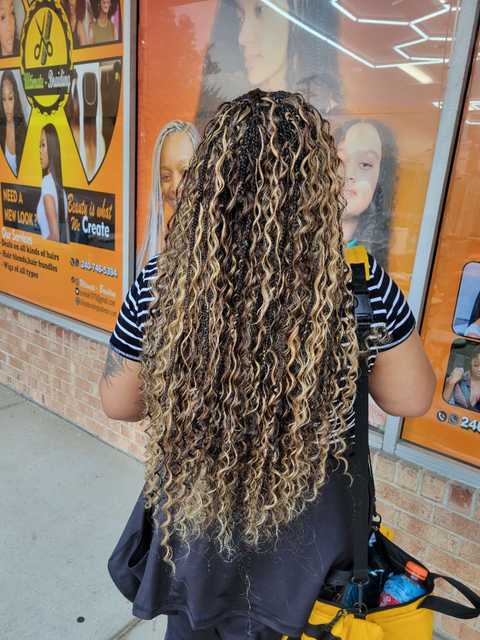

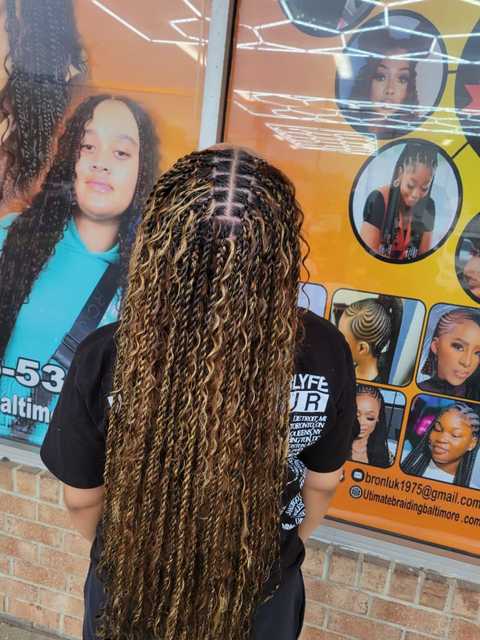
What Our Clients Say
$$MultiPurposeText$$
Read testimonials from our satisfied customers

These ladies get me together every single time. I have never had a bad experience with any...more

I like Ultimate Braiding Salon they did a great job on my head one girl braided my hair on...more

Situation was corrected! Very much appreciated the service after a solution was found.. so...more

They definitely did a great job!!!!
I love my braids!!!!

Had a great time doing my hair and I love the way my parts are neat. I got the Boho specia...more

Super neat braids and they don’t take long

Frequently Asked Questions
Get answers to common questions about Synthetic Hair Extensions.
With proper care, Synthetic Hair Extensions typically last 4–12 weeks for temporary installs and several months for sewn or bonded methods. Longevity depends on attachment type, daily wear, and upkeep; we’ll recommend timelines during your consultation.
Most synthetic fibers cannot withstand high heat and may melt or frizz. Some heat-friendly synthetics exist; we’ll identify safe fibers and demonstrate low-heat styling or alternatives to protect your extensions.
When properly installed and maintained, Synthetic Hair Extensions do not inherently damage natural hair. Avoid tight attachments, reduce tension, follow care instructions, and schedule professional adjustments to minimize breakage and protect your scalp.
Wash sparingly with mild, sulfate-free shampoo and cool water. Gently detangle with a wide-tooth comb, avoid twisting, and air-dry on a flat surface. Follow our salon care guide and recommended products for best results.
Synthetic Hair Extensions work well for braids, twists, ponytails, and bold color looks, but may not perfectly mimic natural movement for every texture. We’ll assess your hair and recommend the best synthetic type or a human-hair alternative.
You can swim and exercise with synthetic extensions, but chlorine, saltwater, and sweat can tangle or dull fibers. Rinse and gently detangle afterward, use protective styles, or consider temporary removal for frequent swimming.